Sodium Lauryl Ether Sulfate Uses in Personal Care and Industrial Cleaning
Sodium Lauryl Ether Sulfate, or SLES, is a widely used anionic surfactant valued for strong detergency, stable foam, good water solubility, and a comparatively mild profile when properly formulated. In personal care, it appears in shampoos, body washes, shower gels, hand soaps, facial cleansers, bath products, shaving preparations, and some oral care products. Formulators combine it with amphoteric and nonionic surfactants, conditioning agents, salts, and pH adjusters to balance cleansing, mildness, viscosity, and consumer appeal. In industrial and institutional cleaning, SLES supports hard surface cleaners, degreasers, vehicle care products, laundry detergents, dishwashing liquids, food and beverage cleaning, textile processing, and metal cleaning. Its performance depends on active matter level, salt thickening, surfactant blending, pH, preservation, foam control, and rinsing behavior. Safety and regulatory compliance require attention to concentration, handling, documentation, and impurity control, especially 1,4-dioxane limits in personal care markets. Sustainability trends favor biodegradable surfactants, concentrated formulas, cold processing, and responsible sourcing, while sulfate-free positioning has encouraged alternative systems without eliminating SLES from mass-market products. Zhengzhou Mahaco Industrial Co.,Ltd, known as Mahaco or M.H.C, supplies SLES alongside detergent raw materials, water treatment chemicals, industrial acids and alkalis, and specialty additives. The company offers one-stop sourcing, quality inspection, certificates of analysis, safety data sheets, flexible packaging, and logistics support from Zhengzhou, a major transportation hub in Central China. For buyers, consistent SLES quality and reliable supply help ensure predictable performance across personal care and industrial cleaning applications.
Sodium Lauryl Ether Sulfate Uses in Personal Care and Industrial Cleaning
Sodium Lauryl Ether Sulfate, commonly known as SLES or Sodium Laureth Sulfate, is one of the most widely used anionic surfactants in modern personal care and industrial cleaning formulations. Its popularity is not accidental. SLES combines strong detergency, reliable foaming, good water solubility, and a comparatively mild skin profile when used in well-designed systems. These properties make it a practical bridge between performance and cost efficiency for formulators who need products that clean effectively, feel pleasant, and remain commercially viable. In personal care, SLES appears in shampoos, body washes, shower gels, hand soaps, facial cleansers, bubble baths, shaving preparations, and even some oral care products. In industrial and institutional cleaning, it supports hard surface cleaners, degreasers, laundry detergents, dishwashing liquids, vehicle care products, and food and beverage cleaning programs. The breadth of use reflects the surfactant chemistry itself, but it also reflects the supply chain and quality expectations surrounding the ingredient. Zhengzhou Mahaco Industrial Co.,Ltd, known as Mahaco or M.H.C, supplies SLES alongside a broad portfolio of detergent raw materials, water treatment chemicals, industrial acids and alkalis, and specialty additives. This article examines the main uses of SLES in personal care and industrial cleaning, explains the formulation logic behind those uses, and highlights the sourcing, quality, packaging, and logistics considerations that matter to buyers and manufacturers.
Understanding Sodium Lauryl Ether Sulfate as a Surfactant
SLES is an anionic surfactant produced by ethoxylation of lauryl alcohol followed by sulfation and neutralization. The ethoxylation step distinguishes it from Sodium Lauryl Sulfate, or SLS. The presence of ethylene oxide groups changes the molecule’s behavior at the interface between water and oil or dirt. It reduces the harshness associated with unethoxylated sulfate surfactants while preserving strong cleaning and foaming performance. In water, SLES molecules arrange themselves with hydrophilic heads facing the water phase and hydrophobic tails oriented toward oils, greases, and particulate soils. This arrangement lowers surface tension and allows water to wet surfaces more effectively. The surfactant then helps lift soils from substrates and keeps them suspended so they can be rinsed away.
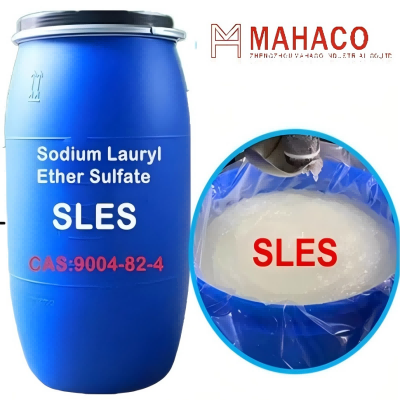
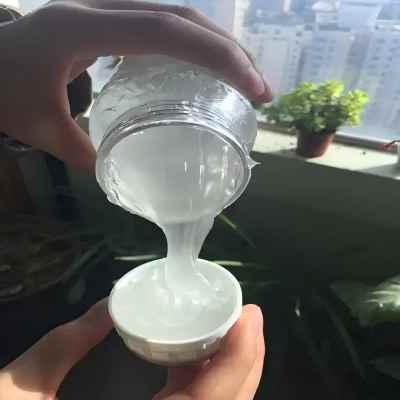
The practical value of SLES lies in its balance of properties. It produces abundant foam, works well in hard and soft water, remains stable across a range of pH values, and is compatible with many other surfactants. It can be thickened with salt in many formulations, especially when combined with amphoteric surfactants such as cocamidopropyl betaine. It also disperses easily in water and can be incorporated into cold-process or low-energy manufacturing systems. For personal care products, these features translate into pleasant lather, efficient cleansing, and formula flexibility. For industrial cleaners, they translate into fast wetting, emulsification, soil removal, and stable concentrate development.
Why Formulators Choose SLES
Formulators choose SLES for several interconnected reasons. It offers excellent foaming and cleansing at a reasonable cost, it is easy to formulate with common thickeners and secondary surfactants, and it has a long history of use in consumer and industrial products. The ingredient can be supplied at different active matter concentrations, allowing manufacturers to select the grade that fits their process and cost targets. SLES is also compatible with anionic, nonionic, and amphoteric surfactants, which gives formulators room to tune mildness, foam texture, viscosity, and rinsing behavior.
Strong detergency for oils, fats, particulate soil, and daily grime.
Rich and stable foam in personal care and manual cleaning applications.
Good solubility in water and easy incorporation into liquid formulas.
Compatibility with betaines, amine oxides, glucosides, and fatty alcohol ethoxylates.
Salt-thickening response in many surfactant systems.
Cost-effective performance compared with many specialty surfactants.
Availability in multiple active matter levels and packaging formats.
These advantages do not mean SLES is a universal solution. Its performance depends on formula design, concentration, pH, water hardness, the presence of electrolytes, and the choice of co-surfactants. A well-built SLES system can be mild and elegant, while a poorly balanced system may be over-foaming, difficult to rinse, or unnecessarily irritating. For this reason, buyers and manufacturers benefit from working with suppliers that understand both the chemistry and the application context.
SLES in Personal Care Products
Personal care is the most visible application area for SLES. Consumers encounter it in daily cleansing products where foam, cleansing power, skin feel, and cost all matter. SLES is particularly common in rinse-off products, where contact time with skin is short and the surfactant is washed away after use. Shampoos, body washes, shower gels, hand soaps, facial cleansers, and bath products rely on SLES because it delivers the lather and cleansing performance that consumers associate with effective cleansing. At the same time, modern formulators combine SLES with milder surfactants and conditioning agents to improve skin comfort and reduce tightness after washing.
Shampoos and Hair Cleansers
In shampoos, SLES serves as a primary cleansing surfactant. It removes sebum, styling product residue, environmental dirt, and scalp oils while generating the dense foam that many consumers expect. Shampoo formulators rarely use SLES alone. They usually combine it with cocamidopropyl betaine or another amphoteric surfactant to improve mildness and foam quality. They may add nonionic surfactants for conditioning, fatty alcohols or polymers for viscosity, silicones or conditioning polymers for hair feel, and chelating agents to manage hard water. SLES-based shampoos can be designed for daily use, oily scalp, dry hair, color-treated hair, or anti-dandruff systems, depending on the supporting ingredients.
The active matter level of SLES influences both performance and cost. Higher active matter grades allow manufacturers to use less material to achieve a target surfactant concentration, which can reduce freight and storage costs. Lower active matter grades may be easier to handle in certain production environments. The choice depends on the factory’s dosing equipment, formula solids, target viscosity, and packaging strategy. In shampoos, SLES also interacts with salt and other electrolytes. A small amount of sodium chloride can increase viscosity significantly, but too much salt can thin the formula or reduce foam quality. This salt curve must be tested for each formula rather than assumed from a generic starting point.
Body Washes, Shower Gels, and Bath Products
Body washes and shower gels use SLES to create a creamy, stable lather and to remove body oils and daily grime. These products often aim for a skin-friendly feel, so formulators blend SLES with mild amphoteric surfactants, nonionic surfactants, humectants such as glycerin, and conditioning agents. The goal is to maintain cleansing efficiency while reducing the stripping sensation that can occur with strongly degreasing systems. SLES works well in this context because its ethoxylation reduces the harshness associated with lauryl sulfate while still providing strong foam and detergency.
Bubble baths and bath foams also rely on SLES for foam volume and stability. In these products, foam performance is a central consumer expectation, so the surfactant system may include SLES, betaines, and foam boosters. The challenge is to deliver abundant foam without making the product excessively drying. Formulators can adjust the ratio of anionic to amphoteric surfactants, add moisturizing agents, and control the total surfactant concentration. SLES grades with consistent color, low odor, and controlled salt content are especially valuable in premium bath products where appearance and fragrance stability matter.
Facial Cleansers and Hand Soaps
Facial cleansers use SLES in gel cleansers, foaming cleansers, and some cream cleansers. Because facial skin can be more sensitive than body skin, formulators often use SLES at moderate levels and combine it with mild co-surfactants. They may also select SLES instead of SLS to reduce the potential for tightness and irritation. The surfactant system is usually supported by glycerin, panthenol, plant extracts, or mild exfoliating agents. In foaming pump products, SLES helps create a light, airy foam that spreads easily and rinses cleanly.
Hand soaps, including liquid hand washes and foam soaps, are another major application. SLES provides quick lather and effective removal of soils from hands. In household and commercial hand soaps, the ingredient must perform reliably across water hardness levels and remain stable during storage. Formulators often add skin conditioners and fragrance while keeping the surfactant system simple and cost-effective. For foam hand soaps, the surfactant concentration and the pump mechanism must be matched to deliver a pleasing foam without clogging or excessive dripping.
Oral Care, Shaving, and Baby Products
SLES can also appear in oral care products such as toothpastes and mouthwashes, where it helps with foaming and dispersion of flavors and active ingredients. In oral care, the grade and purity of the surfactant are critical, and formulators must ensure compatibility with fluoride, abrasives, and flavor systems. Shaving creams and gels use SLES for lubrication and foam, often combined with conditioning agents and polymers to improve glide. Baby products require special attention to mildness and tear comfort, so SLES may be used at lower levels with very mild co-surfactants or replaced by alternative systems depending on the product positioning.
Across personal care, the common thread is that SLES supports efficient cleansing and attractive foam. Its success depends on thoughtful formulation. A mild body wash is not created by SLES alone; it is created by a balanced surfactant system, appropriate pH, effective preservatives, and careful selection of conditioning agents. Manufacturers that understand this balance can use SLES to create products that meet consumer expectations for foam, cleansing, fragrance, and skin feel while maintaining commercial competitiveness.
SLES in Industrial and Institutional Cleaning
Industrial and institutional cleaning places different demands on surfactants. Performance, cost, concentration, and compatibility with equipment often matter more than foam aesthetics, although foam can still be important in manual cleaning. SLES is widely used in this sector because it wets surfaces quickly, emulsifies oily soils, disperses particulate matter, and works well in blended detergent systems. It can be found in hard surface cleaners, floor cleaners, degreasers, vehicle washes, laundry detergents, dishwashing liquids, and food and beverage cleaning applications. The ingredient helps water penetrate soil layers and lift them from surfaces so that rinsing or wiping can remove them.
Hard Surface Cleaners and Institutional Products
Hard surface cleaners for kitchens, bathrooms, schools, hospitals, offices, and public facilities often include SLES as part of the surfactant package. These cleaners must remove greasy fingerprints, food residues, body oils, soap scum, and general dirt from tiles, countertops, sinks, appliances, and floors. SLES improves wetting and soil suspension, especially when combined with nonionic surfactants and builders. In neutral floor cleaners, it helps disperse soil without damaging the floor finish. In bathroom cleaners, it supports removal of soap scum and oily residues. In spray and wipe products, it contributes to cleaning efficiency and can help the product spread evenly across the surface.
Institutional cleaning products often need to be concentrated to reduce packaging, shipping, and storage costs. SLES is compatible with many concentrate formats, although formulators must manage viscosity, cloud point, and stability. It can be blended with solvents, chelating agents, pH adjusters, and other surfactants to create products that dilute accurately at the point of use. For manufacturers serving janitorial distributors, hotels, restaurants, and facility management companies, consistent SLES quality is important because small changes in surfactant performance can affect dilution ratios, cleaning results, and customer satisfaction.
Degreasers and Vehicle Care
Degreasers use SLES to emulsify fats, oils, and greases so they can be removed from metal, concrete, plastic, and painted surfaces. In heavy-duty degreasers, SLES is often combined with nonionic surfactants, alkaline builders, and solvents. The anionic charge of SLES helps stabilize oil droplets in water, preventing them from redepositing on the cleaned surface. In vehicle care, SLES contributes to car shampoos, wheel cleaners, and general-purpose vehicle washes. Car shampoos require good foam and lubricity to reduce the risk of scratching during washing, while wheel cleaners may need stronger soil removal and controlled foaming.
Vehicle care formulators must balance cleaning power with surface safety. SLES helps lift road film and oily grime, but the overall formula must be designed to avoid damaging waxes, sealants, or sensitive trim. The surfactant system may include SLES, amphoteric surfactants, and nonionic wetting agents. Rinsing behavior is also important, because residue can leave streaks or spots. In this application, SLES grades with consistent composition and low impurities help manufacturers produce predictable products that perform well in different water conditions.
Laundry Detergents and Dishwashing Liquids
Liquid laundry detergents use SLES to help remove oily soils and particulate dirt from fabrics. It works alongside nonionic surfactants, builders, enzymes, polymers, and optical brighteners. In laundry applications, SLES contributes to soil suspension and prevents removed dirt from settling back onto fabrics. It is particularly useful in liquid formats where solubility and stability are important. The surfactant system must be optimized for different wash temperatures, water hardness levels, and fabric types. SLES can also be used in stain pretreaters and delicate wash products when balanced with mild co-surfactants.
Manual dishwashing liquids rely heavily on SLES for foam, grease cutting, and rinsing performance. Consumers expect dishwashing liquids to produce rich foam and cut through food oils, even in cold or hard water. SLES is often combined with cocamidopropyl betaine, amine oxides, or other foam boosters to improve foam stability and mildness. The formula may also include hydrotropes, salts, fragrances, and preservatives. Because dishwashing liquids are used at relatively high dilution during washing, the surfactant system must deliver efficient cleaning without excessive product consumption. Consistent SLES quality helps manufacturers maintain foam height, viscosity, and grease removal across production batches.
Food and Beverage Cleaning and CIP Systems
Food and beverage cleaning requires surfactants that can remove fats, proteins, sugars, and mineral deposits from processing equipment and surfaces. SLES can be used in some food-contact and food-processing cleaning formulations, subject to local regulations and rinse requirements. In clean-in-place systems, foam can be undesirable because it may interfere with circulation and rinsing. Formulators may use low-foam surfactant blends or antifoam agents alongside SLES, or they may select alternative surfactant systems for specific CIP stages. For open-surface cleaning in food preparation areas, SLES can help emulsify greasy residues and improve wetting of stainless steel, plastic, and tile surfaces.
Food and beverage manufacturers place high importance on documentation, consistency, and traceability. Suppliers must provide certificates of analysis, safety data sheets, and clear specifications for purity, active matter, pH, color, and odor. Even when SLES is not the primary active in a food-processing cleaner, its quality can affect the overall performance and stability of the formulation. This is why sourcing from a supplier with rigorous quality control and experience in industrial chemicals is valuable.
Textile, Metal, and Specialty Cleaning
SLES also supports textile processing, metal cleaning, and specialty industrial cleaning. In textile applications, it can help with scouring, wetting, and removal of oils from fibers. In metal cleaning, it assists in emulsifying cutting oils, lubricants, and shop dirt from parts and equipment. In specialty cleaners, such as agricultural equipment cleaners, workshop cleaners, and transportation cleaning products, SLES contributes to soil removal and stable foam. The exact role depends on the substrate, soil type, water quality, and cleaning method.
Industrial formulators value SLES because it is versatile and easy to blend. It can be used in alkaline, neutral, and mildly acidic systems, although stability testing is always required. It is compatible with many common chelating agents, solvents, and builders. However, formulators must also consider foaming. In high-pressure spray cleaning, excessive foam can be a problem. In manual cleaning, foam can be a signal of cleaning power and can improve user acceptance. The same surfactant can therefore be an asset or a challenge depending on how the formula is designed.
Formulation Considerations for SLES Systems
Successful use of SLES depends on formulation science. The ingredient is not simply added to water; it must be balanced with co-surfactants, electrolytes, pH adjusters, preservatives, fragrances, and other functional ingredients. The target active matter, viscosity, foam profile, mildness, and stability all influence the final formula. Manufacturers that understand these interactions can create products that perform well and remain stable throughout their shelf life.
Active Matter and Dosage
SLES is supplied at different active matter concentrations, often expressed as a percentage. A higher active matter grade contains more surfactant per kilogram, which can reduce storage and freight costs per unit of active material. A lower active matter grade may be easier to pump or incorporate in certain plants. Formulators calculate the required amount of SLES based on the target surfactant concentration in the finished product. In personal care, total surfactant levels vary widely depending on the product type and desired mildness. In industrial cleaners, concentrates may contain much higher surfactant levels, while ready-to-use products contain lower levels. Accurate dosing and consistent raw material quality are essential for reproducible manufacturing.
Salt Thickening and Rheology
Many SLES-based personal care products are thickened with sodium chloride. The salt curve describes how viscosity changes as salt is added. At low salt levels, viscosity may increase; at higher levels, it may peak and then decrease. The exact curve depends on the surfactant blend, active matter, pH, and presence of other electrolytes. Formulators must test each system rather than relying on a universal salt addition. In industrial cleaners, rheology may be less important, but viscosity still affects pouring, pumping, and cling to surfaces. Some formulas use thickening polymers or structuring agents instead of salt to achieve the desired flow behavior.
Mildness and Surfactant Blending
SLES is generally considered milder than SLS, but it is still an anionic surfactant and can irritate skin or eyes if used improperly. Mildness is improved by blending SLES with amphoteric surfactants such as cocamidopropyl betaine, nonionic surfactants such as fatty alcohol ethoxylates or glucosides, and conditioning agents. Reducing the total surfactant concentration and adjusting pH can also improve skin compatibility. In personal care, formulators often aim for a balanced ratio of anionic and amphoteric surfactants to maintain foam while reducing harshness. In industrial cleaning, mildness is less critical for the surface but may matter for worker safety and manual cleaning products.

pH, Preservation, and Stability
SLES is stable across a broad pH range, but extreme pH conditions can affect hydrolysis and long-term stability. Formulators should test the finished product at the intended pH and storage conditions. Preservation is another critical factor. SLES-based products contain water and nutrients that can support microbial growth, so appropriate preservatives and good manufacturing practices are required. Fragrance, color, and active ingredients must be checked for compatibility with the surfactant system. Temperature cycling, light exposure, and long-term storage tests help ensure that the product remains homogeneous, stable, and aesthetically acceptable.
Foam Control and Rinsing
Foam is a key performance attribute in many products, but it is not always desirable. In manual dishwashing and shampoo, abundant foam is expected. In machine cleaning, spray cleaning, and CIP systems, excess foam can reduce efficiency and cause equipment problems. Formulators can manage foam by adjusting the surfactant blend, adding antifoam agents, or selecting low-foam nonionic surfactants. Rinsing behavior is also important. A product that leaves surfactant residue can cause streaks, spots, or skin tightness. The goal is to achieve effective cleaning with a rinse profile that matches the application.
Safety, Regulatory, and Quality Considerations
SLES has a long history of use in consumer and industrial products, and its safety profile is well studied when used according to good manufacturing practices. Like all surfactants, it can cause eye and skin irritation in concentrated form, so handling and formulation must respect safety guidelines. Personal care products are designed for short contact and rinsing, which reduces exposure. Industrial cleaners may require gloves, eye protection, and ventilation depending on concentration and other ingredients. Manufacturers should always consult safety data sheets and local regulations when handling SLES and formulating finished products.
Regulatory requirements vary by market. Personal care products may be subject to cosmetics regulations, while industrial cleaners may fall under chemical control, workplace safety, and environmental regulations. Documentation such as safety data sheets, certificates of analysis, and specification sheets supports compliance and customer confidence. Quality control is essential because impurities, color, odor, and active matter can affect both performance and consumer acceptance. For SLES, key quality parameters may include active matter content, pH, color, odor, salt content, and the presence of byproducts. Buyers should work with suppliers that can provide consistent specifications and traceable documentation.
1,4-Dioxane and Impurity Control
SLES is produced through ethoxylation, and trace amounts of 1,4-dioxane can be formed as a byproduct. Many markets have strict limits or expectations for 1,4-dioxane in personal care ingredients. Reputable manufacturers use controlled processes and purification steps to minimize this impurity. Buyers should request relevant test data and ensure that the SLES grade meets the requirements of the target market. This is especially important for personal care products that may be used by sensitive consumers. A supplier with rigorous quality inspection and documented COA support helps reduce risk and simplifies regulatory review.
Sustainability and Market Trends
Sustainability is influencing surfactant selection across personal care and industrial cleaning. Consumers and brands are asking for products with lower environmental impact, reduced packaging, and responsible sourcing. SLES is readily biodegradable under aerobic conditions, which supports its use in many environmentally conscious formulations. However, sustainability is broader than biodegradability. It includes raw material sourcing, energy use, transportation, water consumption, and packaging. Manufacturers are increasingly interested in concentrated formulas that reduce shipping weight, cold-process manufacturing that saves energy, and packaging systems that minimize plastic use.
The sulfate-free trend has affected some personal care segments, especially premium shampoos and facial cleansers. Some consumers associate sulfate-free labels with mildness and natural positioning. This has encouraged formulators to explore alternative surfactant systems such as isethionates, sulfosuccinates, glucosides, and amino acid surfactants. Despite this trend, SLES remains a major surfactant because it offers excellent performance and cost efficiency. In many markets, SLES-based products continue to dominate mass-market shampoos, body washes, and household cleaners. The ingredient also adapts well to blended systems, allowing formulators to reduce SLES levels while maintaining performance through co-surfactants and processing improvements.
Sourcing SLES and Detergent Raw Materials from Mahaco
Zhengzhou Mahaco Industrial Co.,Ltd, or M.H.C, is a professional supplier and manufacturer of high-quality industrial chemicals serving clients worldwide. Based in Zhengzhou, a major transportation hub in Central China, the company has established itself as a reliable partner in the global chemical supply chain. M.H.C specializes in the sourcing, distribution, and supply of a comprehensive range of chemical products, including water treatment chemicals, detergent raw materials, industrial inorganic acids and alkalis, and various chemical auxiliaries. The company serves multiple industries such as water treatment, cosmetics and detergents, mining, food processing, and general industrial manufacturing.
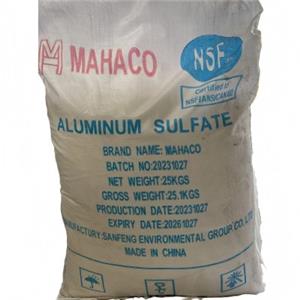
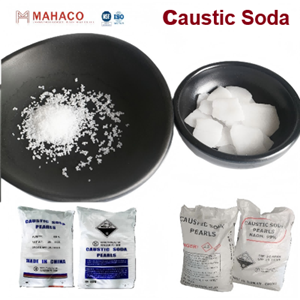
For detergent and personal care manufacturers, M.H.C supplies Sodium Lauryl Ether Sulfate alongside Sodium Tripolyphosphate, Trisodium Phosphate, Sodium Silicate variants such as Sodium Metasilicate Pentahydrate, Fatty Alcohol Polyoxyethylene Ether, and Oxalic Acid for cleaning applications. This portfolio allows customers to source multiple raw materials from one supplier instead of managing many separate vendor relationships. A one-stop chemical sourcing approach can reduce procurement complexity, lower administrative costs, and streamline logistics coordination. M.H.C also offers a complete range of water treatment chemicals, including Poly Aluminium Chloride in regular and white powder grades, Poly Ferric Sulphate, PolyDADMAC, Aluminium Sulphate Ironless 17%, Sodium Hexametaphosphate 68%, and Activated Alumina. For industrial manufacturing, the company supplies Nitric Acid 68%, Phosphoric Acid 85%, Hydrogen Peroxide, Caustic Soda, Potassium Hydroxide 90%, Sodium Sulphate Anhydrous, Ammonium Chloride, solvents, and specialty additives such as Hexamine, Paraformaldehyde, Aluminium Hydroxide, and Lactic Acid.
Quality Control and Sourcing Network
M.H.C maintains long-term partnerships with reputable, ISO-certified manufacturers across China. Every product batch undergoes strict quality inspection before shipment, with certificates of analysis provided for customer verification. For critical specifications such as purity levels, active matter, pH, and impurity limits, M.H.C ensures consistent compliance with international standards. This approach builds trust and reduces customer risk, especially for buyers who need predictable performance across production batches. The company’s business philosophy centers on integrity, reliability, and mutually beneficial partnerships. By combining professional quality control, logistics management, and customer service, M.H.C supports customers from initial inquiry through delivery.
Logistics, Packaging, and Documentation
Headquartered in Zhengzhou, M.H.C leverages excellent infrastructure including rail, road, and air freight networks. This strategic location enables faster delivery to major Chinese ports such as Qingdao, Tianjin, and Shanghai, and supports optimized supply chain management. The logistics advantage can translate into shorter lead times and competitive freight costs for international clients. M.H.C offers flexible packaging options including 25 kg bags, 50 kg drums, IBC totes, and flexitanks based on customer needs. The company provides professional documentation including MSDS, COA, commercial invoices, and customs clearance support, ensuring smooth international transactions. Over years of operation, M.H.C has built a loyal customer base across Asia, Africa, South America, and Europe. Repeat orders and customer trust demonstrate the company’s commitment to product quality, on-time delivery, and responsive after-sales service.
Conclusion
Sodium Lauryl Ether Sulfate remains a cornerstone surfactant in personal care and industrial cleaning because it delivers a practical combination of cleansing, foaming, solubility, compatibility, and cost efficiency. In personal care, it supports shampoos, body washes, hand soaps, facial cleansers, bath products, shaving preparations, and oral care. In industrial cleaning, it contributes to hard surface cleaners, degreasers, vehicle care, laundry detergents, dishwashing liquids, food and beverage cleaning, textile processing, and metal cleaning. Its performance depends on thoughtful formulation, including active matter selection, salt thickening, co-surfactant blending, pH control, preservation, and foam management. Safety, regulatory compliance, impurity control, and sustainability considerations are also central to responsible use.
For manufacturers and buyers, the choice of supplier is as important as the choice of surfactant. Consistent quality, reliable documentation, flexible packaging, and efficient logistics help turn a good chemical into a dependable production input. Zhengzhou Mahaco Industrial Co.,Ltd supports this need through its broad industrial chemical portfolio, quality inspection processes, strategic location in Zhengzhou, and customer-focused service. Whether the application is a mild daily shampoo, a concentrated hard surface cleaner, or a high-performance degreaser, SLES continues to offer a versatile and commercially attractive solution when it is sourced and formulated with care.