Does SLES in Shampoo Lead to Hair Damage
In recent years, consumers have become increasingly attentive to the ingredients in their personal care products, particularly shampoos. One ingredient that often raises concerns is Sodium Laureth Sulfate (SLES). As a leading supplier in the chemical industry, Zhengzhou Mahaco Industrial Co.,Ltd (hereafter referred to as MAHACO) is committed to providing transparent information and industry insights regarding the use of SLES in shampoos and its potential impact on hair health.
Understanding SLES: What Is It?
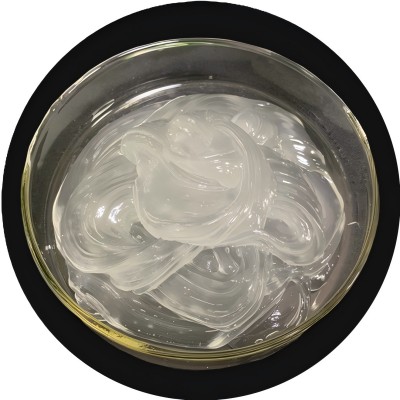
Sodium Laureth Sulfate (SLES) is a widely used surfactant found in many shampoos, body washes, and cleaning products. Its primary function is to create a rich lather, which helps remove dirt and oil from the hair and scalp. SLES is valued for its effectiveness and cost-efficiency, making it a staple ingredient for many manufacturers, including those who source raw materials from MAHACO.
However, the growing trend toward natural and organic products has led to increased scrutiny of SLES. Consumers are asking whether its cleansing power comes at the cost of hair health, and if so, what alternatives exist in the market.
How Does SLES Work in Shampoo?
SLES acts as a detergent, breaking down oils and allowing them to be washed away with water. This process is essential for cleaning, but it can also strip away natural oils that protect the hair and scalp. The degree to which this occurs depends on the concentration of SLES, the formulation of the shampoo, and individual hair types.
For companies like MAHACO, ensuring the quality and safety of SLES is a top priority. MAHACO’s strict quality control procedures help guarantee that their SLES meets international safety standards, minimizing potential risks to consumers.
Does SLES Cause Hair Damage?
The question of whether SLES leads to hair damage is complex. Scientific studies indicate that SLES is generally safe for use in rinse-off products like shampoo when used at regulated concentrations. However, some individuals may experience dryness, irritation, or increased hair fragility, especially with frequent use or if they have sensitive skin.
Dryness: SLES can remove too much sebum, leading to dry, brittle hair.
Scalp Irritation: People with sensitive skin may experience redness or itching.
Color Fading: SLES may accelerate the fading of color-treated hair due to its strong cleansing action.
It’s important to note that these effects are not universal. Many users tolerate SLES-based shampoos well, especially when the product is balanced with moisturizing agents and conditioners.
Industry Trends: Moving Toward Gentler Alternatives
The hair care industry is witnessing a shift toward milder surfactants and sulfate-free formulations. MAHACO has responded to this trend by expanding its portfolio to include alternative surfactants such as Sodium Cocoyl Isethionate and Sodium Lauroyl Sarcosinate. These ingredients offer gentle cleansing while minimizing the risk of hair and scalp damage.
Moreover, the demand for customized formulations is rising. MAHACO works closely with global partners to develop shampoos tailored for different hair types, climates, and consumer preferences. This flexibility allows brands to offer products that address specific concerns, such as sensitivity or color protection.
Key Industry Keywords: SLES and Shampoo Raw Materials
In the context of shampoo manufacturing, two essential keywords are SLES and shampoo raw materials. SLES remains one of the most popular choices for large-scale production due to its efficiency and affordability. However, the selection of shampoo raw materials is increasingly influenced by consumer demand for safer, more sustainable ingredients.
MAHACO is at the forefront of this evolution, offering both traditional and innovative raw materials. Their research and development team continuously evaluates new surfactants and conditioning agents to support the industry’s shift toward cleaner, greener formulations.
Regulatory Updates and Quality Assurance
Global regulations surrounding SLES and other shampoo raw materials are evolving. The European Union, for instance, has set strict guidelines on the permissible levels of certain contaminants in SLES, such as 1,4-dioxane. MAHACO ensures compliance with these regulations by implementing advanced purification processes and regular testing of their products.
Quality assurance is a cornerstone of MAHACO’s operations. By maintaining high standards, the company not only protects end-users but also strengthens the reputation of its clients in the competitive personal care market.
Expert Recommendations: Choosing the Right Shampoo
For consumers concerned about hair damage, it’s crucial to consider individual hair type, frequency of washing, and product formulation. While SLES is effective for deep cleansing, those with dry, damaged, or color-treated hair may benefit from sulfate-free or low-sulfate options.
Look for shampoos with added moisturizers, such as glycerin or natural oils.
Consider alternating between SLES-based and milder shampoos.
Consult with a dermatologist if you experience persistent scalp irritation.
Manufacturers can also play a role by providing clear labeling and transparent information about the ingredients used. MAHACO supports its partners by supplying detailed product documentation and technical support to ensure consumer safety and satisfaction.
Future Outlook: Sustainability and Innovation
The future of the shampoo industry lies in balancing performance, safety, and environmental responsibility. MAHACO is investing in the development of biodegradable surfactants and eco-friendly packaging solutions. By prioritizing sustainability, the company aims to meet the evolving needs of both consumers and regulatory bodies.
Conclusion: SLES, Hair Health, and Industry Leadership
In summary, while SLES is a proven and effective ingredient in shampoo formulations, its potential to cause hair damage depends on multiple factors, including product formulation and individual sensitivity. The industry is moving toward gentler alternatives and more sustainable practices, a trend that MAHACO actively supports through innovation and quality assurance.
As consumers become more informed, the role of leading suppliers like Zhengzhou Mahaco Industrial Co.,Ltd becomes increasingly important. By offering high-quality SLES and a diverse range of shampoo raw materials, MAHACO empowers brands to create products that are both effective and safe for all hair types.
Stay tuned for more updates from MAHACO as the company continues to shape the future of the hair care industry through research, collaboration, and a steadfast commitment to excellence.
Tags:paraformaldehyde pfa,potassium hydroxide koh 90 caustic potash