Caustic Soda Factory Audit Checklist for Industrial Buyers
This article presents a practical caustic soda factory audit checklist for industrial buyers. It explains why caustic soda requires careful supplier evaluation because of its corrosive nature, concentration sensitivity, moisture risk, packaging requirements, and documentation needs. The checklist begins with pre-audit preparation, including specification review, document requests, and confirmation of the actual production site. It then covers legal identity and regulatory compliance, raw material control, production process discipline, laboratory testing, packaging, storage, safety, environmental management, logistics, and commercial reliability.
The article emphasizes that buyers should verify batch traceability, certificates of analysis, calibration records, retained samples, and corrective action systems. It also highlights packaging integrity, warehouse conditions, emergency equipment, worker protection, and spill response. Common red flags include missing permits, poor housekeeping, inconsistent records, inadequate labeling, and refusal to allow inspection. The article notes that Zhengzhou Mahaco Industrial Co., Ltd., known as Mahaco, is a professional supplier and manufacturer of industrial chemicals based in Zhengzhou, Central China. Mahaco offers caustic soda and related acids, alkalis, water treatment chemicals, detergent raw materials, and specialty additives, supported by quality inspection, certificates of analysis, flexible packaging, and logistics coordination. The summary concludes that a structured audit and follow-up corrective action plan help buyers reduce risk, confirm quality, and build reliable long-term supply relationships.
Caustic Soda Factory Audit Checklist for Industrial Buyers
Caustic soda, also known as sodium hydroxide, is one of the most widely used industrial alkalis in the world. It supports water treatment, detergent manufacturing, mining, food processing, pulp and paper, textiles, and many general chemical processes. Because caustic soda is corrosive, hygroscopic, and sensitive to storage conditions, industrial buyers cannot treat supplier selection as a simple price comparison. A structured factory audit helps buyers verify that a caustic soda supplier can deliver consistent quality, maintain safe operations, provide reliable documentation, and respond to commercial and technical issues with professionalism. This checklist is designed for procurement teams, technical managers, and quality inspectors who need a practical framework for evaluating a caustic soda factory before placing repeat orders or signing a long-term supply agreement.
Why a Caustic Soda Factory Audit Matters
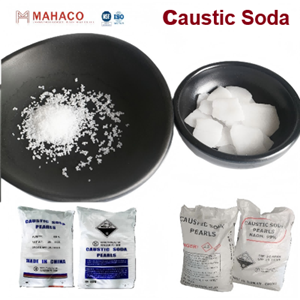
Caustic soda is available in flakes, pearls, solid forms, and liquid solutions. Each form presents different risks in production, packaging, transport, and storage. A supplier that performs well on paper may still have weaknesses in process control, laboratory testing, worker safety, or batch traceability. An on-site audit gives the buyer direct evidence of how the factory manages those risks. It also reveals whether the supplier can meet the buyer's required concentration, impurity profile, packaging format, and delivery schedule.

For industrial buyers, the audit is not only a quality tool. It is also a risk management exercise. Poorly controlled caustic soda production can lead to contamination, inconsistent concentration, damaged packaging, delayed shipments, and regulatory complications. A factory audit should therefore cover legal compliance, raw material control, production discipline, laboratory capability, packaging integrity, warehouse conditions, safety systems, environmental controls, and commercial reliability.
Product Risks That Buyers Should Consider
Concentration variation: Liquid caustic soda must be supplied within agreed concentration ranges, while solid forms must meet purity and moisture specifications.
Contamination: Contact with unsuitable materials, dust, or residual cleaning chemicals can affect product quality.
Moisture absorption: Solid caustic soda is hygroscopic and can cake or deteriorate if packaging and storage are inadequate.
Corrosion and leakage: Improper drums, bags, tanks, or liners can create handling hazards and product loss.
Documentation gaps: Missing certificates of analysis, safety data sheets, or batch records can delay customs clearance and customer acceptance.
Pre-Audit Preparation
Before visiting a caustic soda factory, the buyer should define the audit scope and share a document request list with the supplier. The audit team should review the supplier's business license, product specifications, previous certificates of analysis, safety data sheets, and any available quality certificates. The team should also prepare a checklist that reflects the buyer's end use. For example, a buyer sourcing caustic soda for water treatment may focus on impurity limits and consistent concentration, while a detergent raw material buyer may emphasize packaging integrity and batch traceability.
The pre-audit stage should confirm the factory address, production capacity, main product forms, warehouse layout, and shipping routes. It is also useful to request a process flow diagram and an organization chart. These documents help the audit team understand who is responsible for quality, production, safety, and logistics. If the supplier works through a trading company, the buyer should clarify whether the audit will cover the actual production site or only a warehouse and office. For critical purchases, the production site should be included.
Legal Identity and Regulatory Compliance
The audit should begin with basic legal verification. The buyer should confirm that the factory name, address, business scope, and legal representative match the documents provided. The audit team should check whether the supplier holds the required permits for chemical production, hazardous chemical handling, environmental discharge, and occupational safety. Expired licenses, unclear ownership, or inconsistent addresses are warning signs that require explanation.
Regulatory compliance also includes transport and export requirements. Caustic soda is classified as a hazardous chemical in many jurisdictions, so packaging, labeling, and transport documentation must be appropriate. The buyer should verify that the supplier can provide safety data sheets in the required language, properly marked packaging, and accurate commercial invoices and packing lists. For international shipments, the supplier should understand customs clearance requirements and dangerous goods rules where applicable.
Raw Material and Production Process Review
A caustic soda factory audit should examine how raw materials are received, stored, and released into production. The audit team should check supplier qualification records, incoming inspection reports, and storage conditions. Raw materials should be protected from contamination and moisture. Tanks, pipes, valves, and pumps should be suitable for alkaline service. The team should look for signs of leakage, corrosion, or temporary repairs that could affect product quality or worker safety.

The production process should be reviewed from start to finish. The audit team should ask how concentration is controlled, how temperature and pressure are monitored, and how batch records are completed. For liquid caustic soda, the team should inspect filtration, cooling, storage tanks, and filling lines. For solid caustic soda, the team should review flaking, prilling, cooling, screening, and packaging steps. Critical control points should have written operating instructions and trained operators. The audit team should compare actual practice with the documented procedure rather than accepting the procedure alone.
Process Control Questions for the Audit Team
How are batch numbers assigned and recorded?
How is concentration adjusted and verified during production?
What limits are set for impurities, moisture, and appearance?
How are nonconforming batches segregated and dispositioned?
What preventive maintenance is performed on tanks, pumps, and filling equipment?
How are cleaning and line changeover activities controlled?
Quality Control and Laboratory Verification
Quality control is a central part of any caustic soda factory audit. The buyer should verify that the factory has a laboratory with the equipment and trained personnel needed to test the agreed specifications. Common tests include concentration, alkalinity, carbonate content, chloride content, iron content, appearance, and moisture for solid products. The audit team should review calibration records, test methods, sampling plans, and retained samples. It is not enough for the laboratory to exist; the results must be reliable, documented, and linked to specific batches.
The audit team should also compare laboratory results with the certificates of analysis provided to customers. If possible, the buyer can collect a sample during the audit and arrange independent testing. This step helps confirm that the product tested in the factory matches the product shipped. The team should check how out-of-specification results are handled. A strong supplier investigates the cause, records corrective action, and prevents recurrence. A weak supplier may adjust paperwork without correcting the process.
Packaging, Storage, and Handling
Caustic soda packaging must protect the product from moisture, contamination, and physical damage. The audit should cover bags, drums, intermediate bulk containers, tankers, and flexitanks as applicable. The buyer should verify that packaging materials are compatible with caustic soda and that liners, closures, and labels are correctly applied. Packaging should be clean, dry, and free from damage. The audit team should check filling weights, sealing quality, and batch labeling.
Warehouse conditions are equally important. Solid caustic soda should be stored in a dry, well-ventilated area away from acids and incompatible materials. Liquid caustic soda should be stored in suitable tanks with secondary containment where required. The audit team should inspect housekeeping, ventilation, drainage, spill kits, and emergency showers. Poor storage can lead to caking, contamination, leakage, and safety incidents. The buyer should also confirm that loading areas are organized and that workers use appropriate protective equipment.
Packaging and Storage Checklist
Packaging compatibility: Materials are suitable for corrosive alkaline products.
Sealing integrity: Bags, drums, and containers are closed and leak-tested where required.
Labeling: Product name, concentration, batch number, hazard symbols, and net weight are correct.
Storage separation: Caustic soda is kept away from acids and incompatible chemicals.
Moisture control: Solid product is protected from humidity and water ingress.
Spill response: Spill kits, neutralizers, and trained personnel are available.
Safety, Health, and Environmental Controls
Caustic soda is corrosive and can cause severe burns to skin and eyes. A factory audit must therefore include a thorough safety review. The audit team should observe whether workers wear appropriate gloves, eye protection, face shields, aprons, and footwear. Emergency showers and eyewash stations should be accessible and functional. The team should check ventilation in production and filling areas, warning signs, safe work procedures, and training records. Incident reports should be reviewed to confirm that accidents and near misses are investigated and corrected.
Environmental controls are also relevant to industrial buyers. The audit team should review wastewater treatment, emissions control, and waste disposal practices. Caustic soda production and handling can generate alkaline wastewater that requires neutralization before discharge. The factory should be able to explain how it manages spills, cleaning water, and empty packaging. Compliance with local environmental rules is not only a legal matter; it also indicates whether the supplier is likely to operate reliably over the long term.
Supply Chain, Logistics, and Documentation
A caustic soda supplier must be able to move product safely and predictably. The audit should review the factory's location relative to ports, rail terminals, highways, and major customers. Logistics capability affects lead time, freight cost, and damage risk. The buyer should ask how shipments are planned, how transport providers are selected, and how the supplier handles urgent orders or seasonal demand. The factory should have enough production capacity and inventory discipline to support the buyer's expected volume.
Documentation is a frequent source of problems in chemical procurement. The audit team should confirm that the supplier can provide certificates of analysis, safety data sheets, packing lists, commercial invoices, and customs documents accurately and on time. Batch traceability should allow the buyer to link a delivered package to production records, raw material records, and quality test results. For export orders, the supplier should be familiar with labeling and transport requirements in the destination market. Clear documentation reduces delays and protects both buyer and supplier.

Commercial Reliability and Supplier Support
The audit should not ignore commercial behavior. The buyer should review the supplier's response time, order confirmation process, change notification practices, and after-sales support. A reliable supplier communicates proactively when production schedules, packaging availability, or shipping dates change. The audit team can interview sales, technical, and logistics staff to assess whether responsibilities are clear. Contracts should define specifications, packaging, delivery terms, inspection rights, and remedies for nonconformance.
For buyers seeking a broad chemical portfolio, supplier capability beyond caustic soda may also matter. Zhengzhou Mahaco Industrial Co., Ltd. is a professional supplier and manufacturer of industrial chemicals serving clients worldwide. Based in Zhengzhou, a major transportation hub in Central China, Mahaco has established itself as a reliable partner in the global chemical supply chain. Its portfolio includes caustic soda and related industrial inorganic acids and alkalis, water treatment chemicals, detergent raw materials, and specialty additives. For buyers managing multiple chemical categories, a supplier with a broad range can reduce procurement complexity and streamline logistics coordination.
Mahaco emphasizes quality control, logistics management, and customer service. The company maintains relationships with reputable manufacturers and uses quality inspection processes before shipment. Certificates of analysis are provided for customer verification, and flexible packaging options such as 25 kg bags, 50 kg drums, IBC totes, and flexitanks can be discussed according to buyer requirements. These services do not replace a factory audit, but they can support buyers who need a practical sourcing partner for caustic soda and other industrial chemicals.
Audit Scoring and Follow-Up
After the site visit, the audit team should score each section and record objective evidence. Photographs, documents, interview notes, and sample results should be attached to the report. The report should distinguish between critical findings, major findings, and minor observations. Critical findings may include unlicensed production, unsafe storage, falsified records, or inability to meet mandatory specifications. Major findings may include weak batch traceability, inadequate laboratory calibration, or poor packaging controls. Minor findings may include housekeeping issues or incomplete signage.
The buyer should require a corrective action plan with responsible persons and completion dates. Follow-up verification can be done through document review, photographs, remote meetings, or a second site visit. For high-risk purchases, the buyer may withhold approval until critical findings are closed. A well-managed supplier will welcome this process because it demonstrates seriousness and helps improve operations. A supplier that resists transparency or delays corrective action should be treated with caution.
Common Red Flags
Refusal to allow access to the production area or laboratory.
Inconsistent factory names, addresses, or business licenses.
Missing or expired safety and environmental permits.
Poor housekeeping, leaking tanks, or corroded equipment.
Workers without appropriate protective equipment.
Certificates of analysis that do not match batch records.
No retained samples or no calibration records for laboratory equipment.
Packaging stored in damp or dirty conditions.
Unclear traceability from raw material to finished goods.
Pressure to skip inspection or use informal documentation.
Conclusion
A caustic soda factory audit is a valuable investment for industrial buyers who need consistent quality, safe handling, and dependable supply. The checklist should cover legal compliance, raw materials, process control, laboratory testing, packaging, storage, safety, environment, logistics, documentation, and commercial reliability. Buyers should use the audit to verify facts, not just collect paperwork. When the audit is planned carefully and followed up with corrective action, it reduces risk and supports long-term supplier relationships. Suppliers such as Zhengzhou Mahaco Industrial Co., Ltd. can play a useful role by offering a broad chemical portfolio, quality documentation, flexible packaging, and logistics support, while buyers continue to apply their own due diligence and specification controls.