Poly Aluminium Chloride Factory Capacity and Packaging Questions
This article examines the key questions buyers should ask about Poly Aluminium Chloride factory capacity and packaging, using Zhengzhou Mahaco Industrial Co., Ltd. (Mahaco) as a third-person example of a professional industrial chemical supplier. It explains that PAC capacity is not a single tonnage figure. Nominal capacity differs from effective capacity, which depends on raw material availability, reactor scheduling, grade changeovers, drying performance, quality inspection, and packaging line throughput. Buyers should ask about monthly output for regular and white powder PAC, production lines, lead times, peak season planning, batch quality checks, COA availability, and third-party inspection options. Capacity must also be matched to specification, because PAC grades vary in alumina content, basicity, insolubles, pH, and appearance. Mahaco's water treatment portfolio includes regular and white powder PAC, PFS, PolyDADMAC, Aluminium Sulphate Ironless 17%, SHMP 68%, and Activated Alumina, allowing buyers to consolidate sourcing and plan combined shipments. The article then discusses packaging as a major factor in delivered cost. PAC is moisture-sensitive, so bag construction, liners, sealing, palletization, drums, IBC totes, and flexitanks all affect product condition, handling, storage, and freight efficiency. Mahaco offers 25 kg bags, 50 kg drums, IBC totes, and flexitanks, supported by MSDS, COA, commercial invoices, and customs clearance support. Documentation and loading details should be confirmed before production, including labels, shipping marks, pallet dimensions, maximum net weight, and consolidation options. The article links capacity, packaging, and logistics through Mahaco's Zhengzhou location, which provides access to rail, road, and air networks and major Chinese ports such as Qingdao, Tianjin, and Shanghai. It also notes Mahaco's quality control approach, ISO-certified manufacturing partnerships, batch inspection, and repeat customer base across Asia, Africa, South America, and Europe. The conclusion emphasizes that buyers should treat capacity, packaging, quality release, documentation, and logistics as one commercial decision. Clear answers on effective capacity by grade, lead time, packaging protection, container loading, and certificates help procurement teams reduce risk and secure a more reliable PAC supply.
Poly Aluminium Chloride Factory Capacity and Packaging Questions
Poly Aluminium Chloride (PAC) is a workhorse coagulant for drinking water, municipal wastewater, and industrial effluent treatment. Buyers often begin with price, but experienced procurement teams ask two deeper questions: what is the real factory capacity behind the offer, and how will the product be packaged for safe, economical delivery? For a supplier such as Zhengzhou Mahaco Industrial Co., Ltd. (Mahaco), these questions sit at the center of a reliable international chemical supply relationship.
Mahaco is a professional supplier and manufacturer of industrial chemicals serving clients worldwide. Based in Zhengzhou, a major transportation hub in Central China, the company has built a position in the global chemical supply chain through quality control, logistics management, and customer service. Its water treatment range includes PAC in regular and white powder grades, Poly Ferric Sulphate (PFS), PolyDADMAC, Aluminium Sulphate Ironless 17%, Sodium Hexametaphosphate (SHMP 68%), and Activated Alumina. This broad portfolio gives buyers a practical way to consolidate sourcing while still examining capacity and packaging in detail.
What Factory Capacity Really Means for PAC
Factory capacity is not a single fixed number. A PAC plant may report a nominal capacity, but the effective capacity available to a buyer depends on raw material availability, reactor scheduling, grade changeovers, drying performance, quality inspection, and packaging line throughput. A plant that can produce regular PAC at a high daily rate may need different scheduling for white powder PAC, which usually requires tighter process control and additional handling care. For procurement teams, the useful question is not simply how many tons a factory can make in theory, but how many tons of the required grade can be delivered consistently within the required lead time.

Capacity also changes with specification. PAC is purchased against parameters such as alumina content, basicity, insolubles, pH, and appearance. A buyer requesting a specific white powder grade cannot assume that capacity for regular PAC translates directly into capacity for that grade. Mahaco addresses this by working with reputable manufacturers and confirming batch availability against the requested specification before shipment. The company provides certificates of analysis for customer verification, which helps reduce the risk of a capacity promise that cannot be matched by actual production.
Capacity Questions Buyers Should Ask
What is the monthly output for regular PAC and for white powder PAC under normal operating conditions?
How many production lines are available, and how are grade changeovers scheduled?
What is the typical lead time for a full container, an LCL shipment, or a repeat order?
How does the factory manage peak season demand and raw material fluctuations?
What quality checks are performed before a batch is released for packaging?
Can the supplier provide a COA for each batch and support third-party inspection when needed?
When these questions are answered clearly, capacity becomes a planning tool rather than a marketing claim. Mahaco's role as a supplier is to connect buyer requirements with suitable production resources, then coordinate inspection, documentation, and logistics so that the agreed volume arrives as planned. This is especially important for water treatment plants that cannot afford interruptions in coagulant supply.
Matching Capacity to Grade and Specification
PAC buyers rarely purchase an undefined product. Drinking water facilities, wastewater operators, and industrial users may each require different grades and performance profiles. Regular PAC is widely used for cost-sensitive treatment duties, while white powder PAC is often selected where appearance, purity, or specific handling characteristics matter. The capacity question must therefore be tied to the exact grade, packaging format, and destination market.
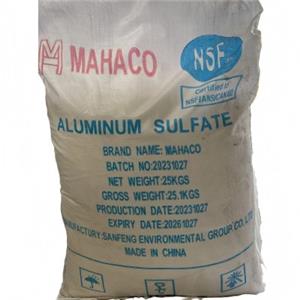
Because Mahaco also supplies PFS, PolyDADMAC, Aluminium Sulphate, SHMP, and Activated Alumina, buyers can discuss a combined water treatment program rather than isolated products. This one-stop approach reduces procurement complexity and lowers administrative costs. It also allows capacity planning across several products, which can be useful for distributors and treatment plants that prefer to coordinate shipments from a single supplier. Mahaco's product range covers more than fifty industrial chemicals, including detergent raw materials, inorganic acids and alkalis, and specialty additives, so the company can support mixed orders when commercial and logistical conditions allow.

Packaging Questions That Influence Delivered Cost
Packaging is not a minor detail in the PAC business. The product is hygroscopic and can cake if moisture protection is inadequate. Bag construction, liner quality, sealing, palletization, and container loading all affect the condition of the goods on arrival. Packaging also influences handling costs, storage efficiency, and the total delivered cost per ton. A low unit price can become expensive if bags tear, powder absorbs moisture, or drums arrive with damaged closures.
25 kg bags are common for distributors, smaller treatment plants, and mixed container loads. Buyers should confirm bag strength, inner liner, printing, and palletization.
50 kg drums offer greater protection for certain export routes and handling environments, but they add weight and volume.
IBC totes can suit larger industrial users that prefer bulk handling with controlled discharge.
Flexitanks can reduce packaging cost for high-volume shipments, but they require suitable receiving equipment and careful loading planning.
Mahaco offers flexible packaging options including 25 kg bags, 50 kg drums, IBC totes, and flexitanks based on customer needs. The company also provides professional documentation such as MSDS, COA, commercial invoices, and customs clearance support. These details matter because packaging choices must align with the buyer's storage conditions, discharge equipment, labor capacity, and local regulations. A municipal plant with automated dosing may prefer one format, while a trading company serving multiple small customers may prefer another.
Documentation and Loading Details
Good packaging is supported by good documentation. The COA should match the batch and the agreed specification. The MSDS should be available in the required language and format. Shipping marks, labels, and pallet dimensions should be confirmed before production. For container loading, buyers should ask about maximum net weight, pallet stacking, moisture barriers, and whether the supplier can consolidate PAC with other compatible products. Mahaco's logistics experience in Zhengzhou, with access to rail, road, and air networks, supports coordination to major Chinese ports such as Qingdao, Tianjin, and Shanghai.
Linking Capacity, Packaging, and Logistics
Capacity and packaging are linked through logistics. A factory may have sufficient production capacity, but if packaging materials are delayed or the loading plan is inefficient, the shipment will still be late. Container utilization is another factor. Heavier bags may reduce packaging cost per ton but increase handling risk. Drums may protect the product but consume more space. Flexitanks may improve payload efficiency but require specialized receiving arrangements. Mahaco's approach is to confirm the buyer's priorities early, then recommend a packaging and shipping plan that balances protection, cost, and delivery time.
The company's location in Zhengzhou provides a practical logistics advantage. As a major national transportation hub, Zhengzhou connects production regions with ports and international routes. For international clients, this can translate into shorter lead times and competitive freight costs when planning is handled well. The key is to treat capacity, packaging, and logistics as one commercial decision rather than three separate negotiations.

Quality Control and Repeatable Supply
Mahaco maintains long-term relationships with reputable, ISO-certified manufacturers across China. Every product batch undergoes strict quality inspection before shipment, with certificates of analysis provided for customer verification. For critical specifications such as purity levels and water treatment performance, consistent compliance with international standards builds trust and reduces customer risk. Over years of operation, the company has built a loyal customer base across Asia, Africa, South America, and Europe, supported by repeat orders and responsive after-sales service.
Conclusion
Poly Aluminium Chloride factory capacity and packaging questions deserve direct, documented answers. Buyers should ask about effective capacity by grade, lead time, quality release, packaging protection, container loading, and documentation. A supplier such as Mahaco adds value by matching those requirements with suitable production resources, flexible packaging, and coordinated logistics. When capacity and packaging are examined together, procurement teams can make better decisions on price, risk, and reliability, and water treatment operators can secure a more stable supply of the coagulant they depend on.